Happy Anniversary Blog!

May 20, 2013

Biochem Badass 101 page 12

a-mean-o-acid-crop
MORE ON PROTEINS AND AMINO ACIDS!
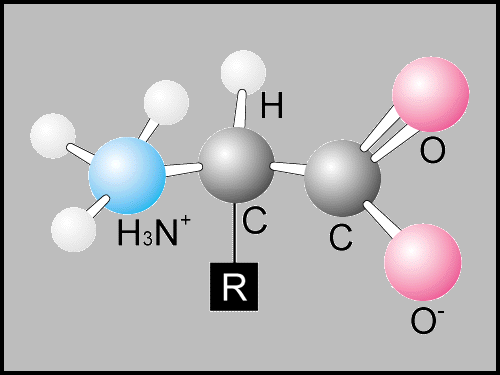
Amino Acids and Proteins were one of the 3 bio-molecules we studied in class. Amino acids are defined as a simple organic compound containing both a carboxyl (COOH) and an amino (NH2) group. Proteins are defined as any of a class of nitrogenous organic compounds that consist of large molecules composed of one or more long chains of amino acids and are an essential part of all living organisms. Amino acids have the basic structure seen in the diagram where R can be given by different groups (highlighted in red). The central carbon is referred to as the Alpha carbon.
aminoacids R groups
There are 20 essential Amino acids for survival which can be classed as either Essential or Non-Essential Amino Acids.

An Essential amino acid is one that is required by animals that cannot be synthesize by them and must be supplied in the diet. (marked)
Non essential amino acids are those that are synthesized by the body. (unmarked)
20AminoAcids


Furthermore Essential Amino Acids can be described as either Complete Proteins or Incomplete Proteins.  Complete proteins contain all 10 essential amino acids and are derived from animal sources while Incomplete proteins lack one or more of the essential amino acids and most a vegetable based.

How are Amino acids and Proteins classed by structure?

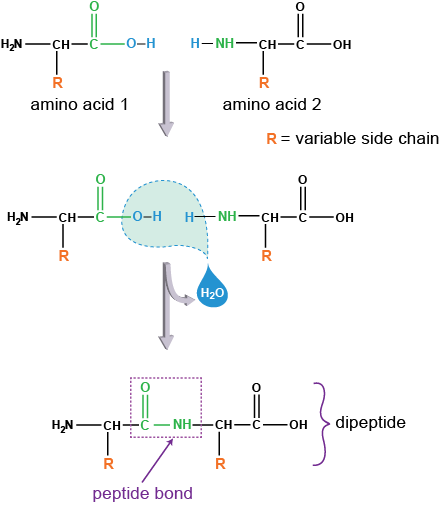
Amino acids bond together to from Proteins. These bonds are called peptide bonds.  As a result of bonding Amino acids can be arranged into the following long chain structures;
Peptide- short polymer of amino acids
Di-peptide- contains 2 amino acids joined by a peptide bond.
Tri-peptide- a molecule with 3 amino acids joined by peptide bonds.
Polypeptide- a macro-molecule containing many amino acids.
Protein- a biological molecule of molecular weight 5000g/mol that is made up of polypeptide chains.


peptide bond


How can we identify Amino Acids from Proteins?

We can use to chemical tests to determine which compounds are amino acids or proteins. These are the Ninhydrin Reaction and the Biuret Test.

Ninhydrin reacts with amino acids to from a Purple colour imino derivative. This derivative is a positive test for amino acids which are commonly colourless.
ninhydrin
The Biuret test involves using biuret reagent which is light blue in colour. It contain Copper(II) ion in an alkaline solution. Biuret turns purple when mixed with a solution contain proteins. Biuret reagent  interacts with peptide bonds of proteins. The purple colour formed is a positive test for proteins.
biuret


Credits to Biochem students Carlos, Shenelle, Liniker, Latisha, et. al


How are Proteins classed in terms of structure?

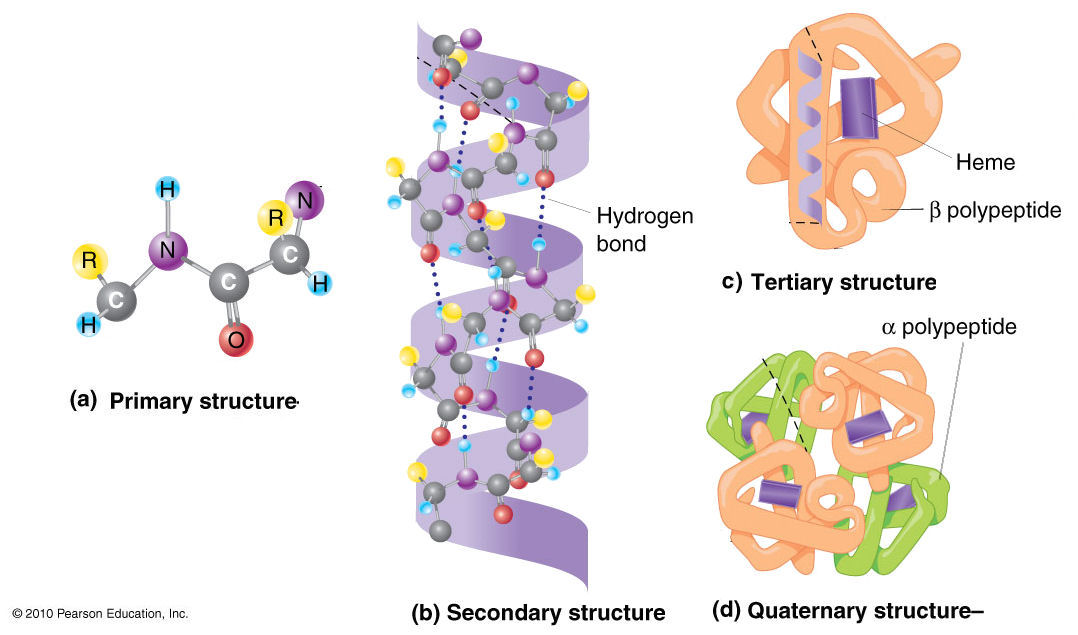
Proteins are classed by the arrangement and the number of polypeptide chains it contains and the level of folding that occur. Protein folding occurs due to Hydrophobic Interactions, Ionic Bonding, Hydrogen bonding and Disulphide bonding.  Protein structure can be either Primary, Secondary, Tertiary or Quaternary.

Primary structure: the linear arrangment of amino acids in a protein and the location of covalent linkages such as disulfide bonds between amino acids. These Disulphide bonds are not denatured.

Secondary structure: areas of folding or coiling within a protein; examples include alpha helices and Beta pleated sheets, which are stabilized by hydrogen bonding.

Tertiary structure: the final three-dimensional structure of a protein, which results from a large number of non-covalent interactions between amino acids.

Quaternary structure: non-covalent interactions that bind multiple polypeptides into a single, larger protein. Hemoglobin has quaternary structure due to association of two alpha globin and two beta globin polyproteins.


Protein Structure

Folding can be denatured in several ways.

Heat and Ultra Violet Radiation-Hydrogen bonds are broken by increased translational and vibration energy
Strong Acids/Bases- salt formation, disruption of hydrogen bonds
Urea- competion for hydrogen bonds
Agitation-shared hydrogen bonds

Some Organic Solvents- change in dielectric constant and hydration of ionic groups.

Proteins are essential to body function and are useful in life processes. An example of an important protein structure is an Enzyme.

“Definition of terms .” USA rice. http://www.usarice.com/index.php?option=com_content&view=article&id=629&Itemid=258.
“Essential Amino acid.” wordnet web. wordnetweb.princeton.edu/perl/webwn?s=essential%20amino%20acid.
“The Structure of Proteins.” arbl.cvmbs.colostate.edu. http://www.vivo.colostate.edu/hbooks/genetics/biotech/basics/prostruct.html.







Biochem Badass 101 page 11


AMINO ACIDS AND PROTEINS
Image
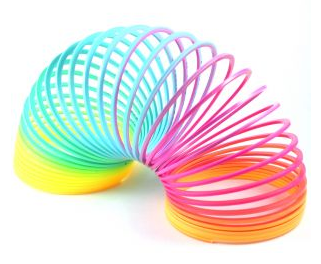
Hey guys now i was watching this video on amino acids and proteins and the first thing that i remembered was that amino acids are the subunits of proteins. Remember when we did glucose and we talked about Monosaccharides and stuff well yea its similar to that. Now the professor said that a protein looks like a slinky. Image
Which i thought was funny but then i remembered the toy and was like “O yea it really does look like that!!!!!!”.
The structure of an Amino Acid
AminoAcidLG
The Amino Acid contains 4 groupings of elements attached to its central carbon atom or alpha carbon (Ca) which can form 4 covalent bonds to itself, they are:
  1.  An Amino group- (NH3+)
  2. A Carboxylic acid group-  (COO-)
  3. A Hydrogen atom- H
  4. A alkyl or aryl group (R) which can be as simple as just an H atom or something as complex as (CH2CH(CH3)2.
There are 20 different types of Amino Acids based on what is the (R) group so here you can see how many different combinations of amino acid there are to synthesize different proteins.
When these amino acids bond via peptide bonds or otherwise they can form either; Primary Structures, Secondary Structures, Tertiary Structures or Quaternary Structures.
biobook_biomol_25
Based on the diagram you can see that a water molecule is removed. In the video the professor called that Dehydration Synthesis which he said enables the two amino acids to snap together. Now i think this term sounds more complex than the term I’m accustom to which is Condensation. When i hear dehydration i think of drying out or the lost of water and the synthesis part which means coming together for me. So in a nut shell Dehydration Synthesis means the coming together of 2 amino acids by the removal of a water molecule. So for the reverse, to break up the polypeptide chain into amino acid units you add water via Hydrolysis.
NB: ALL PROTEINS CONTAIN PEPTIDE BONDS.
Image
These other structures contain different types of bonds and only when they contain these specific bonds that they go to the next level of structure.
  • Primary Structures: they will have peptide bonds.
  • Secondary structures: contains peptide bonds,hydrogen bonds, which occurs between the R groups of the amino acids as a result the structure folds.
  • Tertiary Structures: peptide bonds, hydrogen bonds, the main bondage Hydrophobic interactions which is responsible for the structures 3-D shape, electrostatic forces and sometimes covalent disulphide bonds.
  • Quaternary Structures: peptide bonds, hydrogen bonds, Hydrophobic Interactions, electrostatic forces and sometimes covalent disulphide bonds. Now the Quaternary Structure is made up of more than one polypeptide chain where it is referred to as a spatial arrangement.

PROTEINS
Proteins

DIFFERENCE BETWEEN FIBROUS AND GLOBULAR PROTEINS
Difference between Fibrous and Globular Proteins

AMINO ACIDS
Amino Acids

Amino acids are an organic group consisting of an amine group and a carboxylic group. Amino acids are subunits of protein. Only 20 amino acids are used to make proteins in the body. They are classed as being essential and non-essential amino acids. Essential amino acids cannot be synthesized by the body therefore it must be supplied in the diet. Examples of some essential amino acids are histidine, leucine, lysine, and methionine. Non-essential amino acids are those that can be synthesized by the body and are produced in the body in certain functions. Example of some non-essential amino acids are alanine, asparagine, aspartic acid, glycine, serine and cysteine.
Image

Image
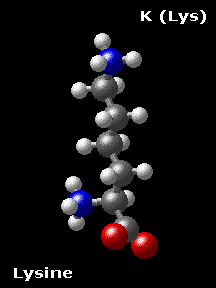
Lysine is an essential amino acid in humans. Lysine is a nutritional requirement in our bodies. Some good sources we can get Lysine from are meat, egg, soy ,cheese and certain fish like sardines.
Also, L-Lysine is a building block for all the proteins in the body. It plays a major role in calcium absorption, building muscle protein and the body’s production of enzymes, hormones and antibodies.

My wordle :)

Credits to Biochem students Carlos, Shenelle, Liniker, Latisha, et. al

Biochem Badass 101 page 10


CARBOHYDRATES: THE HYDRATES OF CARBON
Now everyone knows that Carbohydrates are composed of Carbons and Water ( Hydrogen and Oxygen).

carbon400download


Carbohydrates are the main source of ENERGY!
7460404-muscle-man-funny-cartoon-and-character-object-isolated

Can be used as Storage in plants it is stored as Starch in animals it is called Glycogen.
Storage Carousel

The key element for Structure in cells for eg. Cellulose in Plant Cells, Chitin in the Exoskeleton on some insects etc.
Red-Inc-biz-illustrations-large-v01-e1273166396418

And finally something called Precursor Molecules?confused-face
You may be wondering what is that!!!!
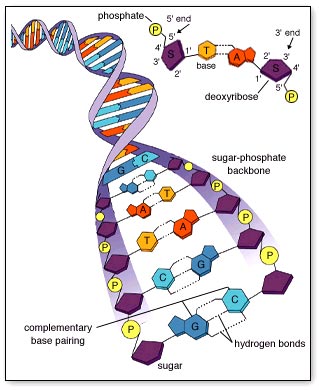
Carbohydrates are Precursor Molecules for the synthesis of useful biomolecular polymers. For example these sugars (carbohydrates) are part of our DNA.

gem4s1_1
Now as we know Carbohydrates are our main source of energy (mind you not the only!) but its pretty important. These structures can be grouped into 4 major groups. They are:
  1. Monosaccharides – these consists of simple sugars with multiple hydroxyl groups (OH) and they are named based on the # of Carbons present for eg. Triose contains 3 Carbons.
  2. Disaccharides- when 2 monosaccharides are linked covalently.
  3. Oligosaccharides- when a few monosaccharides are covalently  linked.
  4. Polysaccharides- these are normally chains of monosaccharide units linked to form a large structure.
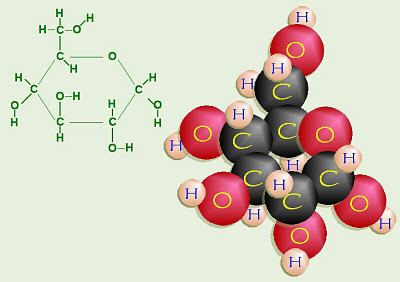
The simplest sugar that i know of is Glucose. (Hexose sugar because it contains 6 Carbons)
glucose2

Credits to Biochem students Carlos, Shenelle, Liniker, Latisha, et. al
Glucose is needed by the brain and nervous system because they wouldn’t normally synthesize other sources of energy for eg  Fats. In a case where all the glucose is used up the body begins to break down Ketone Bodies which is able to supply the necessarily cells.
Not all Carbohydrates are good! Some can be EMPTY CALORIES, this means that they contain calories without much or no nutritional value.


Biochem Badass 101 page 9


The Basic Building Block of Life
The cell is the most important aspect of all living organisms although the fact, that it is the smallest component of the organism. Why is this? Because all reactions takes place in the cells. There are basically two different types of cells.
  • Prokaryotes (no true nucleus)
  • Eukaryotes (has a true nucleus)
Prokaryotes
These are single-celled organisms which contain no true nucleus and no membrane bound organelles in their cytoplasm. This means that their DNA (Deoxyribonucleic acid) is in a circular form and free not membrane bound. The only organelles they really have are ribosomes which have the function of protein-synthesis. Example of a prokaryote cells is  the kingdom-Prokaryotae which mainly consists of bacterial cells.
evt110823093300092
Picture of a Prokaryotic Cell (Bacteria Cell) 
Eukaryotes
These multi-cellular organisms have a true membrane bound nucleus as well as many different organelles. Their DNA is in a linear form found in the nucleus. Some key organelles found in this organism are; Nucleus, Cytoskeleton, Mitochondria, Lysosomes, Nucleolus etc. Examples of Eukaryotic Cells are classed in the Kingdoms; Protocitista, Fungi, Plantae and Animalia.
eucaryotic
Picture of Eukaryotic Cells 
The Main Differences between Prokaryotic Cells and Eukaryotic Cells
Prokayotes
Eukaryotes
Very  small in size usually about 0.5 MicrometersRelatively large in size and can grow up to 40 Micrometers
Nuclear material is not surrounded by a membrane hence a circular form present in the cytoplasmNuclear material surrounded by a nuclear membrane and bounded tightly together with the help of Histones and they are present in the nucleus in the cytoplasm
No nucleus so no nucleolus presentNucleolus present in the nucleus
Very few organelles present but they lack membranesFor example; RibosomesAny organelles present which are contained in membranes. There are Single Membrane Organelles such as; Golgi Apparatus, Endoplasmic Reticulum, Lysosomes , and there are Double Membrane Organelles such as; Nucleus, Mitochondria, Chloroplasts etc.
Cellular  Reproduction via Binary Fission or Budding (mitosis)Cellular Reproduction via Mitosis or Meiosis or both  in some cases.
Some may contain rigid cell walls formed from glygoproteins (murein)Fungi and Plant Cells contain polysaccharides that form Cell walls made out of chitin for Fungi and cellulose for plants. Animal Cells contains no cell walls
Contains 70 s (Svedberg) RibomesContains 80 s Ribosomes
Different Types of Eukaryotic Cells : Diagrams Showing Main Organelles And Their Functions
  •  The Plant Cell
The Plant Cell
Edible Plant cell make of Cake and gummies!! Now I wonder when will my students be making this for me? The choclit one looks nom O_o I wonder if Goldilocks crew can do..Let's try? Hm, better not..
http://burganfamily.blogspot.com/2010_10_01_archive.html


  • The Animal Cell
 The animal cell
Credits to Biochem students Carlos, Shenelle, Liniker, Latisha, et. al

Similarities  Between Plant Cell And Animal Cell
  1. They both contain a cell surface membrane which surrounds the cell.
  2. Both have cytoplasm in the cells.
  3. Both contains a Nucleus, Mitochondria, Endoplasmic Reticulum, 80 s Ribosomes etc.

Differences Between Plant Cells And Animal Cells
Plant Cells
Animal Cells
Contains a Cell Wall composed of cellulose located to the outside of the cell’s surface membraneContains NO Cell Wall
Usually has a regular shape because of the presence of the Cell WallUsually has an irregular shape
Usually contains visible Chloroplasts containing the green pigment chlorophyllNo Chloroplasts present
Often has one very large Vacuole which contains cell sapHas many small Vacuoles
Starch Granules presentNever are Starch Granules present, Glycogen Granules are seen


SOME FACTS ABOUT CELLS
  1. THEY ARE MICROSCOPIC
    Cells range in size from 1 to 100 micrometers and therefore cannot be seen with the naked eye only with a microscope. Advance microscopes such as the Scanning Electron Microscope and Transmission Electron Microscope, are able to obtain detailed images of the smallest of cell structures.
  2.  THERE ARE TWO MAIN TYPES
    Eukaryotic and prokaryotic cells are the two main types of cells. Eukaryotic cells are called so because they have a true nucleus(Eu meaning true and karyote meaning nucleus). Animals, plants, fungi and protists are examples of organisms that are composed of eukaryotic cells. Prokaryotes include bacteria and archeabacteria.
  3.  PROKARYOTIC SINGLE CELLED ORGANISMS ARE THE MOST PRIMITIVE AS THEY WERE THE EARLIEST FORMS OF LIFE ON EARTH                                                                                                                          Prokaryotes can live in environments that would be deadly to most other organisms. They are able to live and thrive in various extreme habitats. Archaeans for example, live in areas such as hydrothermal vents, hot springs, swamps, wetlands, and even animal intestines.
     
  4. THERE IS A GREATER NUMBER OF BACTERIAL CELLS THAN ANIMAL CELLS IN THE HUMAN BODY
    Scientists have estimated that about 95% of all the cells in the body are bacteria. The vast majority of these microbes can be found within the digestive tract.
  5. CELLS HAVE GENETIC MATERIAL
Cells contain DNA (deoxyribonucleic acid), the genetic information necessary for directing cellular activities. DNA is a type of molecule known as a nucleic acid. In prokaryotic cells, the single bacterial DNA molecule is not separated from the rest of the cell but coiled up in a region of the cytoplasm called the nucleoid region. In eukaryotic cells, DNA molecules are located within the cell’s nucleus. DNA and proteins are the major components of chromosomes. Human cells contain 23 pairs of chromosomes (for a total of 46). There are 22 pairs of autosomes (non-sex chromosomes) and one pair of sex chromosomes. The X and Y sex chromosomes determine gender.

Biochem Badass 101 page 8

What can ya do for my life, Glycolysis??

First, a jingle. How about a Glucose song??


Glycolysis is the pathway where a glucose sugar is split into 2 pyruvate sugars. This pathway is said to be the ancestor of all metabolic pathways where it occurs in the cytosol of humans, plants, bacteria or even yeast cells. The many function of Glyolysis is to generate ATP (energy) and NADPH. It is composed of 2 major stages;
  • Energy Investment Phase (Preparator Phase)
  • Energy Generation Phase (Payoff Phase)
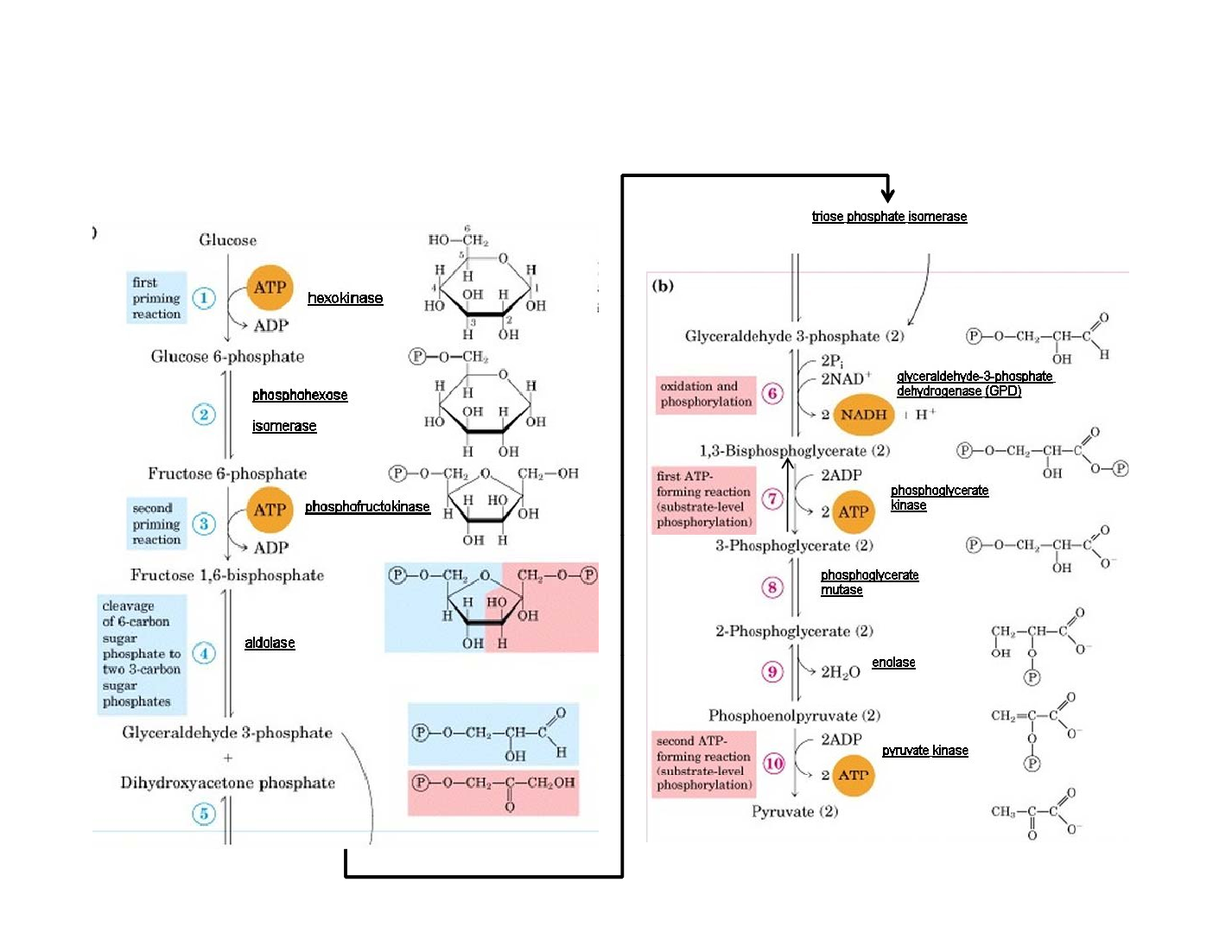
Biological catalysts are used in the 10 steps. These enzymes as you all know speeds up the reaction. They are made up of proteins where in extreme heat will become denatured where their 3D shape will unravel hindering the pathway.
The 10 steps of Glycolysis is layed out in the picture below, the enzymes used at each step is in bold black.
preview008
In the first stage of Glycolysis there are two irreversible steps they are;
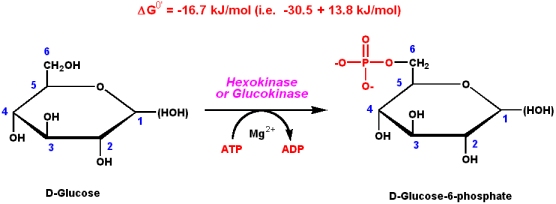
  • Step1 where glucose is converted to Glucose-6- Phosphate with the help of Hexokinase. This is a Phosphorylation reaction where a Phosphate group is added to Glucose.
This reaction is done so that Glucose can be trapped in the cell also making it reactive which would promote this reaction.
Hexreaction
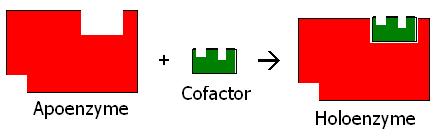
Mg2+ is the Co-factor used in this reaction, now a co-factor is a non-protein molecule which forms a complex with some enzymes and is necessary  for their activity. It may be a metal ion or a co-enzyme.
Enzymes
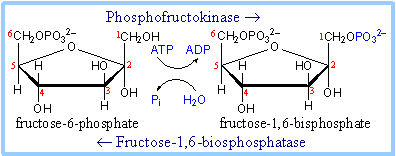
  • Step 3 where Fructose-6- Phosphate is converted to Fructose-1,6-Bisphosphate with the help of Phosphofuctokinase 1.
Phosphofructokinase 1 is the most regulated enzyme in this Pathway. Why is the product called (Bis) and not Di? Easy, this is a Phosphorylation reaction meaning that a Phosphate group is added to a Carbon, but wait! it is already has a Phosphate group attached to its structure (view image below), this new Phosphate is not attached to the same Carbon as his padner before. Thats why its Bis and not Diphosphate.
pfk&fbp
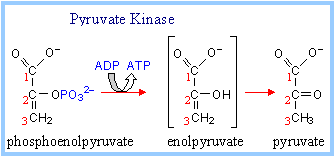
In Stage 2 of Glycolysis there is only 1 irreversible step, this is step 10. Here Phosphoenolpyruvate (PEP) is converted to Pyruvate!!!!!!!!!!!! with the help of the enzyme Pyruvate Kinase. Now this reaction is the most energetically favourable reaction in the entire Glycolysis Pathway because the molecule PEP is extremely energetic. For every 1 PEP molecule 1 ATP molecule is produced and there are 2 PEP molecules so 2 ATP molecules are produced at this step.
pykin
Credits to Biochem students Carlos, Shenelle, Liniker, Latisha, et. al
Glycolysis is a very important Pathway without it we wouldnt be able to do basic activities like get up!!!!!!!

Biochemistry Badass 101 page 7


Credits to Biochem students Carlos, Shenelle, Liniker, Latisha, et. al
Neurotransmitters, and the feelings they induce. :3


Biochem Badass 101 page 6

”Can I Keep Selling Sex For Money, Officer?"  helps us with the steps to the TCA or Krebs Cycle. Remember the names of the molecules with this!


Credits to Biochem students Carlos, Shenelle, Liniker, Latisha, et. al

Biochem Badass 101 page 5

Come on baby...let's do the twist!!--Retrovirus

Credits to Biochem students Carlos, Shenelle, Liniker, Latisha, et. al

RETROVIRUSES. They use RNA to create copies of themselves. First they use reverse transcriptase to convert their RNA to DNA. The infected cell would then treat this viral DNA as a part of itself, and makes proteins needed for new copies of the virus. In essence, it goes backward from RNA to DNA, hence the “retro”.


There is a certain limit as to how small a cell can get (0.5 x 0.5 x 1.6µm). The reason for this was that there would not be enough DNA to make the enzymes needed to catalyze reactions necessary for life. 


 Pop Quiz! “Are viruses also cells?”, also, “How are viruses able to exist when they much smaller than the smallest free living cell?” And to answer, Viruses aren’t cells. They are just DNA surrounded by a protein shell. Viruses also do not feed, do not have their own metabolism. (There is debate as to whether viruses are living things or not.) Because of this they can exist at such a small size.


Related Posts Plugin for WordPress, Blogger...